
Why You Shouldn’t Copy “What I Eat in a Day” Videos
This post is for general educational purposes and is not criticizing any creator. ‘What I Eat in a Day’ videos can be fun and informative, but they’re not meant to be a personalized guide.
Have you ever watched one of those ‘What I Eat in a Day’ videos and wondered, “Should I be eating like that too?” Or maybe you’ve even tried to copy what you saw.
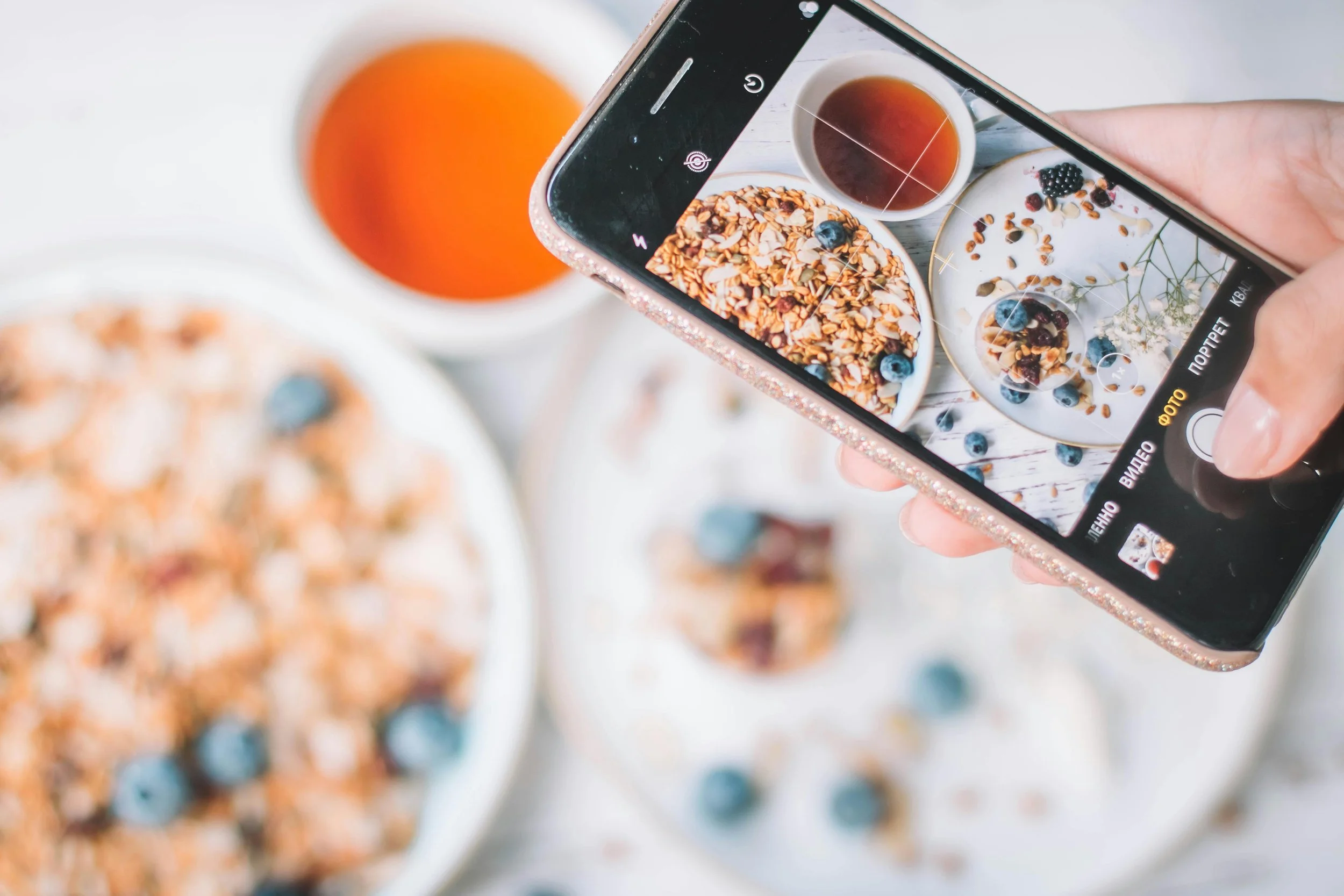
At first, these videos can seem like an easy way to get on track. They show a simple, trendy visual of what someone eats and drinks throughout the day. The food usually looks aesthetically pleasing; beautifully plated, colorful, vibrant, and the lighting is perfect. You might even feel healthier just watching it.
But here’s the catch: real life isn't perfectly curated, nutrition isn’t one-size-fits-all, and these videos often leave out important context.
The truth is, what someone eats in a day is personal. What works for one person may not work for someone else, and trying to copy someone else’s habits can sometimes do more harm than good. “What I Eat in a Day” videos are often oversimplified and edited, which can create an unrealistic picture of someone’s life.
Here’s why:
Everyone has different needs, preferences, and access to food. What someone eats in a day should be based on their needs, not someone else’s. When it comes to nutrition, a lot of things affect what you need.
For example:
Age
Body size
Sex
Genetics
Activity levels
Health conditions
Culture
Religion
Personal goals
All the factors influence what, how, and when someone eats. For example, someone who is very physically active, like an athlete or a laborer, will likely need more calories than someone who is sedentary. Someone trying to gain muscle will eat differently from someone focused on weight loss.
One video of a person’s eating habits for a single day doesn’t account for any of this. It’s just a snapshot of their needs, or what they choose to show. What someone eats can also vary from day to day depending on hunger levels, illness, menstruation, pregnancy, schedules, activity, workouts, stress, and access to food.
One day of eating doesn’t reflect long-term habits, and those are what impact your health.
And let’s not forget that social media is built for engagement. That means that content is often planned, edited, filtered, and sometimes staged. Some creators may unintentionally present an unrealistic version of their eating habits, while others may simplify or lean into trends to make content more appealing. That doesn’t necessarily mean they’re trying to mislead anyone, but it does mean you’re not seeing the full picture.
More importantly, not every creator has nutrition expertise. Anyone can post a video, even without understanding nutrition. While some creators know what they're talking about, many are simply sharing personal tips or what gains popularity online. Their advice might come from personal experience, trends, brand deals, or a misunderstanding of nutrition. Without proper context, this can lead to confusion or unrealistic expectations.
Even if these videos are meant for entertainment, they can become harmful if you start comparing your life or your body to the creator’s. For some people, it’s easy to catch yourself thinking:
“That doesn’t look like enough food…”
“Am I eating too much?”
“Should I be eating like that?”
“I can’t afford that ‘healthy’ food.”
“Maybe if I eat like them, I will finally lose weight.”
“This is why they look so good!”
These thoughts can make you doubt your own needs, create negative feelings around food and body image, and lead to behaviors like under-eating, cutting out food groups, or chasing unrealistic expectations.
Even if the creator looks amazing, your body isn’t designed to mirror someone else’s routine; it has its own unique needs. When you learn to consistently meet those needs, you give yourself a much better chance to feel and look your best.
And it’s not just comparison that can be an issue. Some of these videos feature expensive ingredients, specialty products, or name-brand items that aren’t realistic for everyone. But you don’t need to buy luxury brands, organic products, or non-GMO foods if they’re not in your budget.
And just to reassure you, eating organic, non-GMO, or “all-natural” foods won’t automatically lead to greater weight loss, muscle gains, or major health changes. While these options have their place, they’re mostly a matter of personal preference.
The Takeaway:
“What I Eat in a Day” videos may seem harmless, but they can sometimes influence how you view your own eating habits in ways that aren’t always helpful. They often show eating habits that may not match your needs, which can lead to confusion about what balanced nutrition actually looks like.
Over time, constantly comparing your intake to someone else’s can lead to:
Second-guessing your hunger cues
Feeling guilty about food choices
Trying to follow habits that aren’t sustainable
In more extreme cases, this can lead to an unhealthy relationship with food. That’s why it’s important to approach this content with a critical mindset and remember that it’s not meant to be a personalized guide.
There’s nothing wrong with watching these videos, as long as you keep them in perspective. Just remember: there isn’t only one way to eat healthy. You don’t need to buy certain brands, plate your food perfectly, or eat exactly like someone else. Eating in a way that fits your body is the best way to support your health.
Remember: this post is for informational purposes only and may not be the best fit for you and your personal situation. It shall not be construed as medical advice. The information and education provided here is not intended or implied to supplement or replace professional medical treatment, advice, and/or diagnosis. Always check with your own physician or medical professional before trying or implementing any information read here.