
No More ‘All or Nothing’: A Better Way to Start Your New Year’s Resolution
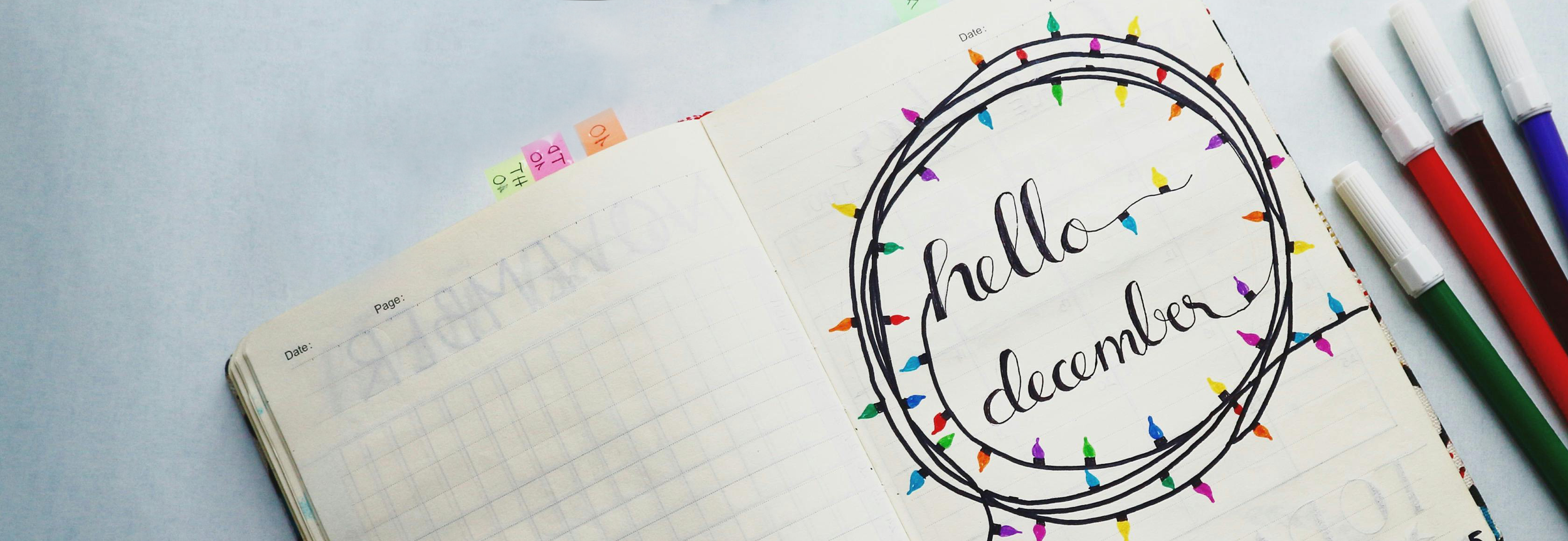
New Year’s is right around the corner, and with all the hustle and bustle of the holiday season (not to mention limitless Christmas cookies), it’s common to think, “I’m just going to start my diet in January.”
We often feel like it’s pointless to try to get things “right” during the holidays, when food, events, and stress surround us. Being on a “diet” in December can feel overwhelming and, honestly, a little unfair.
But the New Year feels different. It feels symbolic. “New Year, new me!” A clean slate. A fresh start. And on January 1st, many of us do start strong… only to fizzle out a week or two later (which I’ll cover in an upcoming blog).
Here’s the good news: you don’t need a drastic change to see results. The “all-in” approach (strict diets, intense workouts, going from 0 to 100) almost always backfires. The truth is that slow and steady actually works. But real change takes time (that’s the “slow”), and consistency (that’s the “steady”).
So, if you want to wait until January 1st, that’s perfectly fine. But if you’re interested in trying something different this year (something gentler and more sustainable), you can start nudging yourself toward “better” now.
And it doesn’t need to be drastic. In fact, it shouldn’t be. Your first step should be small, simple, and realistic. Something you feel comfortable doing and are willing to repeat. That one tiny step becomes the foundation for all the habits that follow.
If you’re looking for ideas, below are a few small changes that make a big difference over time (and feel doable during a busy season). Of course, you can come up with your own, too.
Simple Habits That Make New Year’s Resolutions Easier:
Take a 10–30-minute walk 1-3 days a week (even once a week counts).
Drink a glass of water with one meal.
Skip the salt shaker at one meal.
Downsize from a whole candy bar to half (if you eat them regularly).
Swap one sweetened drink for a lower-sugar option (like diet soda, mini cans, Poppi, Olipop, or carbonated water).
Add fruit to one meal.
Add veggies to one meal.
Swap white bread for 100% whole wheat.
Ask for one less sugar or syrup pump in your coffee.
Switch from ground beef to ground turkey (or a leaner beef option).
Make one home-cooked meal a week if you rely on takeout.
Downsize fast-food meals (large → medium, medium → small).
Learn one new healthy recipe and try it.
Aim for 7 hours of sleep.
Reduce alcohol.
Reduce portion sizes.
Skip adding sugar to your cereal.
Pack a snack for work instead of visiting the vending machine.
If you shop at bakeries or farmers’ markets, choose one baked good instead of two.
Practice eating until satisfied, not stuffed.
Keep a water bottle with you throughout the day.
Remember: this post is for informational purposes only and may not be the best fit for you and your personal situation. It shall not be construed as medical advice. The information and education provided here is not intended or implied to supplement or replace professional medical treatment, advice, and/or diagnosis. Always check with your own physician or medical professional before trying or implementing any information read here.